Erfan Hamdi

Mechanical Engineering student intrested in computational point of view 🔧+🧮


2023 - Present
I started my Ph.D. in MechE at the Boston University.
2021 - 2022
I was ML-Researcher in the Opal-AI team.
2020 - 2022
I got my MS.c in MechE from Sharif University of Technology.
2015 - 2019
I was BS.c student of ME at Tehran Polytechnic.

publications
Engineering with Computers 2026
Saeed Mohammadzadeh, Erfan Hamdi, Joel Shor, Emma Lejeune
arxiv 2026
Evangelos Apostolakis, Erfan Hamdi, Sara Jahedazad, Emma Lejeune
CMAME 2026
Erfan Hamdi, Emma Lejeune
projects
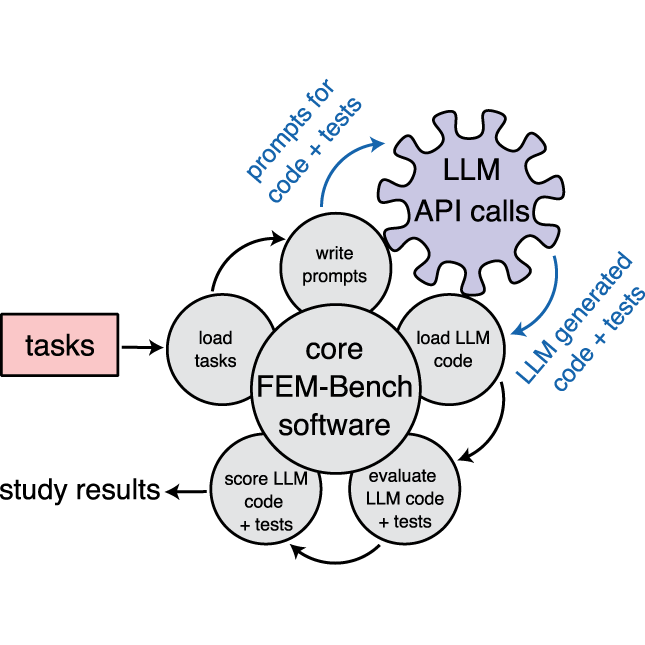
fem-bench FEM-Bench framework code and tasks. to find more detail refer to: FEM-Bench
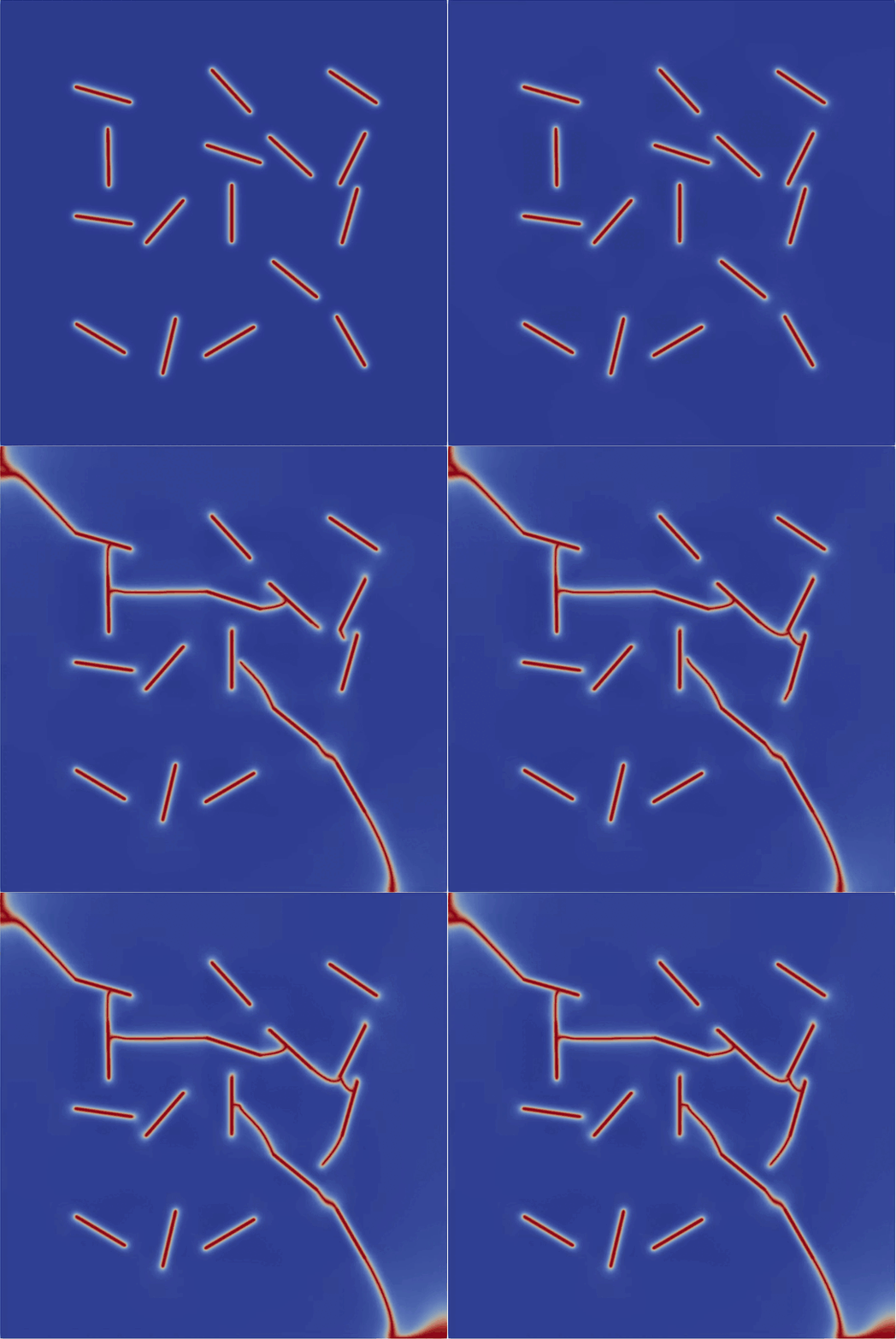
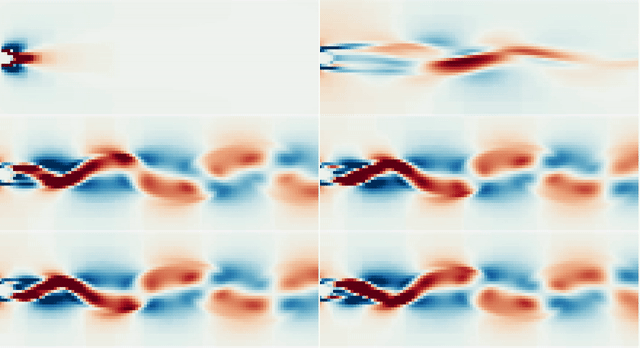
pfm-dataset Code and dataset accompanying PFM-Fracture dataset; a dataset for benchmarking ML surrogate models on phase-field modeling of fracture.
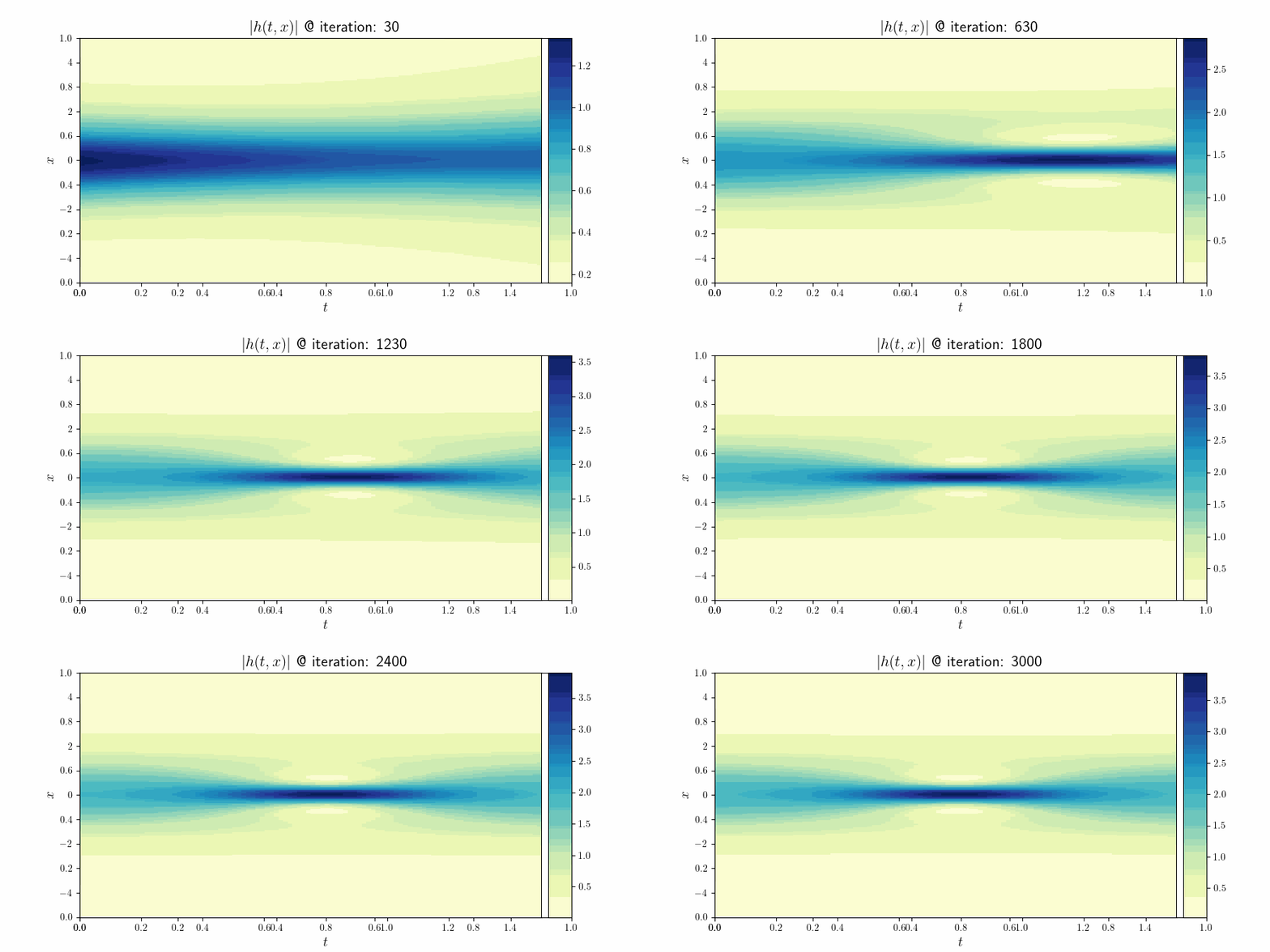
pinn-torch Is an ongoing project to re-implement every PDE solved using Physics Informed Neural Networks (PINNs) in pyTorch in a consistent way to be able to do parameter study.
awesome-pinn Is a curated list on the papers and other materials I found interesting and informative about Physics Informed Neural Networks (PINNs). feel free to make it more awesome!
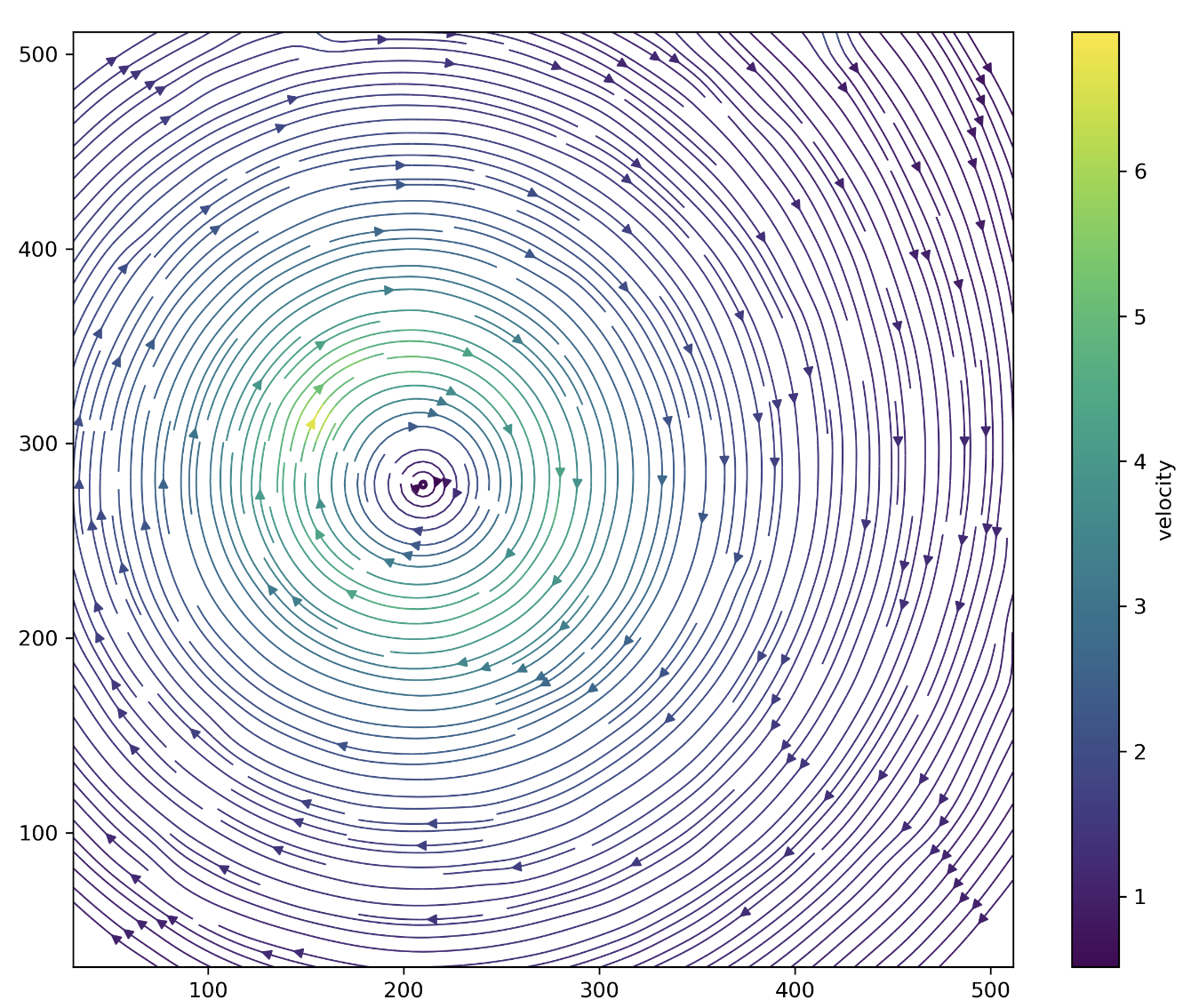
torchPIV Is an attempt to change the pyTorch Conv2D module in a way that fits the needs to be used for faster Particle Image Velocimetry.
  • 2x Faster than a conventional program using for-loops.
  • Helped getting deeper on the mechanics of Conv2D kernels in pyTorch.
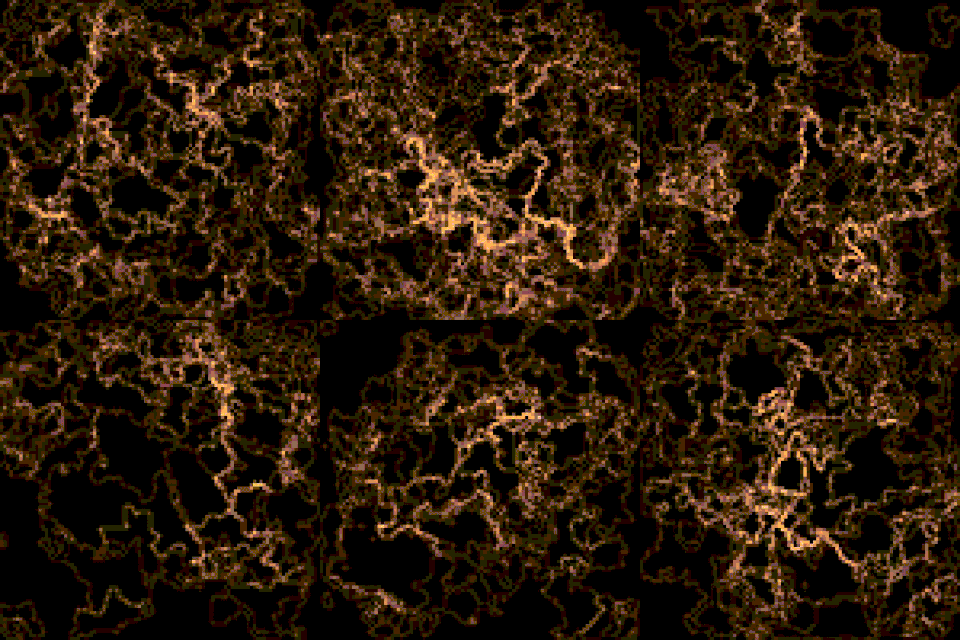
Cellular Automaton
  • Here I implement different types of cellular automaton like the Abelian Sandplie and visualized the avalanche isn't it beautiful?!
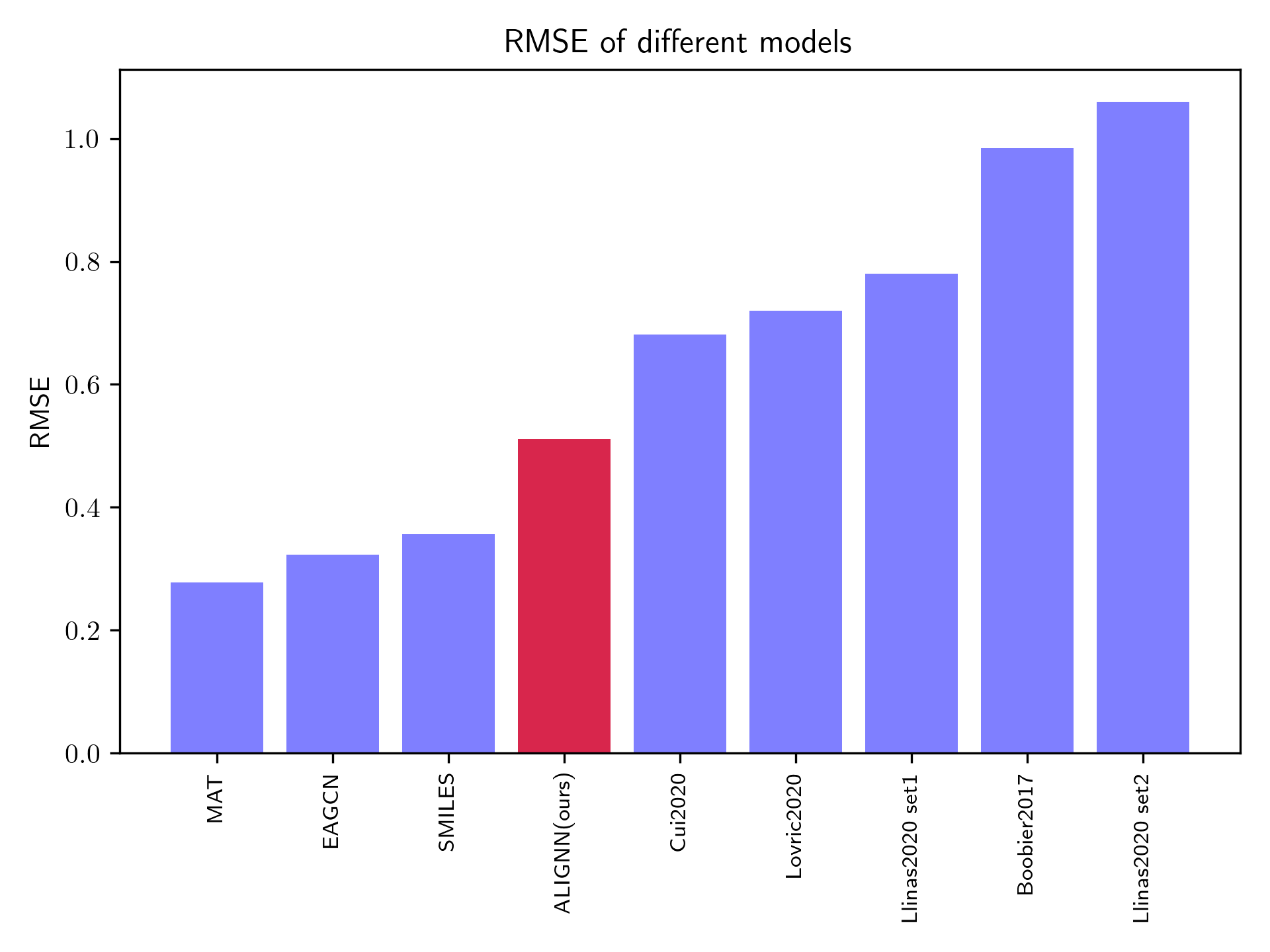
Using GNNs to predict aqueous solubility of drug molecules This was a course project which got published as conference paper.
  • Graph Neural Networks were used to embedd the spatial descriptors of the drug molecules to achieve better results.
  • A pipeline was developed to extract and validate the 3D structures from SMILES strings
  • The spatial properties like bond angles were embedded using Line Graphs.
  • By training only on about 1k for 50 epochs and achieved 0.511 RMSE while the SOTA using Transformers structure achieved 0.3
  • Here you can find the paper on it that I presented at the ICBME 2022 conference [link]
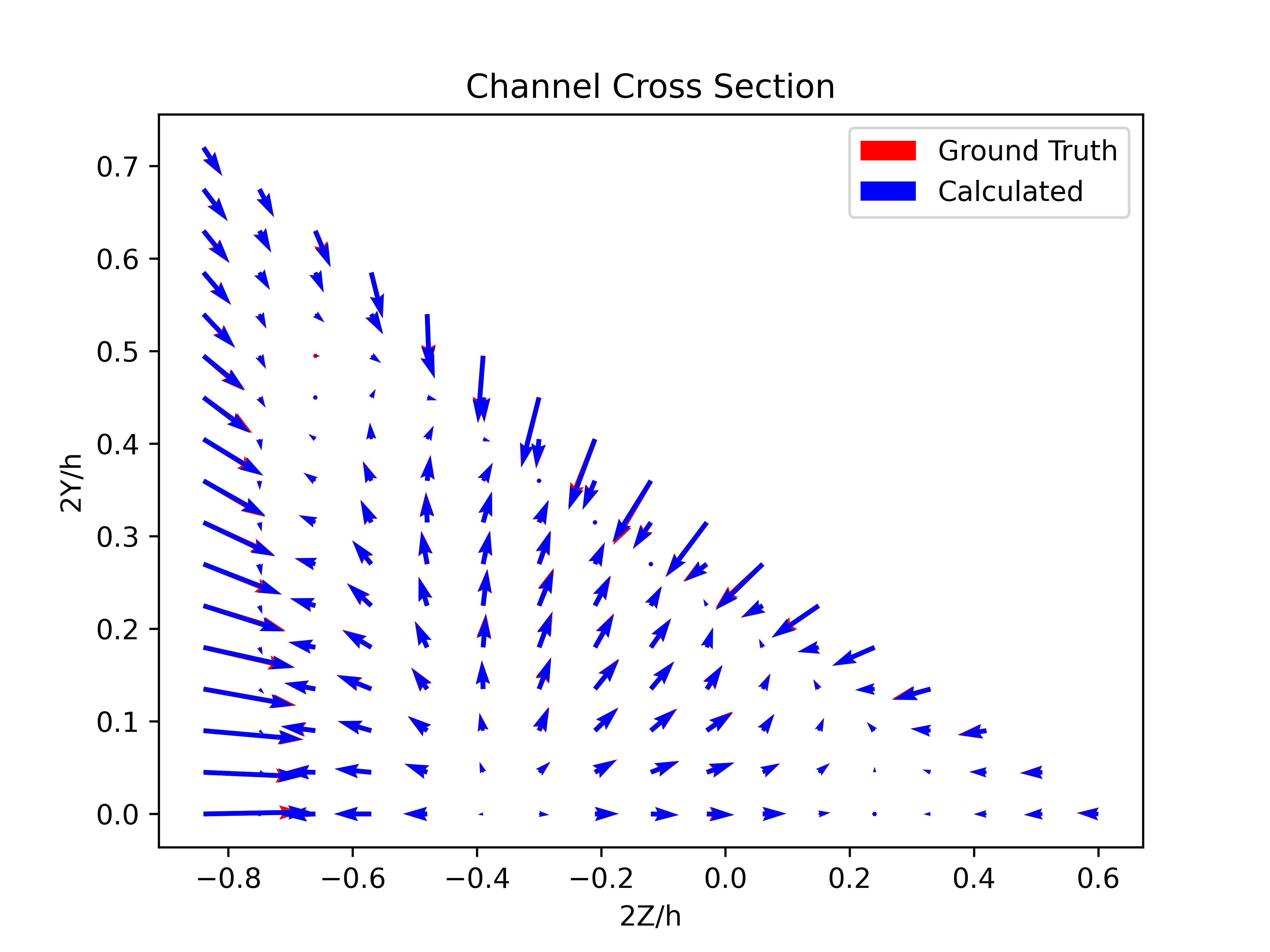
microAI Is my first experience on deploying a Deep Learning model on production. This webapp uses Deep Learning to calculate the lift coefficients in microfluidic channel cross sections.
  • The model was developed using pyTorch
  • Created the API using gradio
  • Deployed on Huggingface
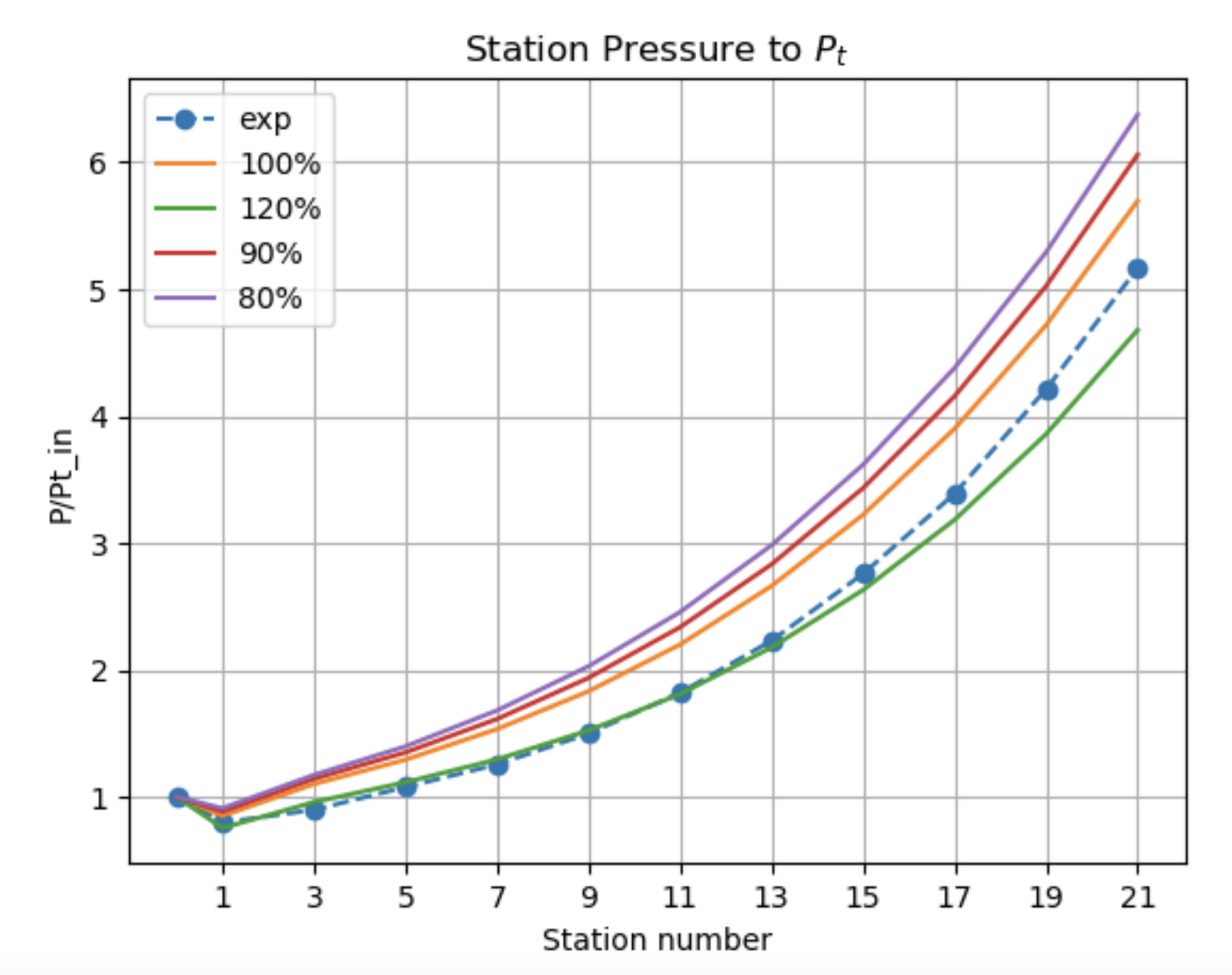
Streamline Curvatuure Method OOP This was my Bs.c project. Streamline Curvature Method (SLC) is a Finite Difference method mostly used for fast and accurate quasi-2D simulation of fluid flows. In this project I got deeper into CFD and Object-Oriented programming.
  • Object Oriented Programming architecture was used to implement this method.
  • The finite difference equations were implemented in Vectorized form rather than using for-loops
  • The programming was done in a way so that it would be possible to implement different loss models easily.
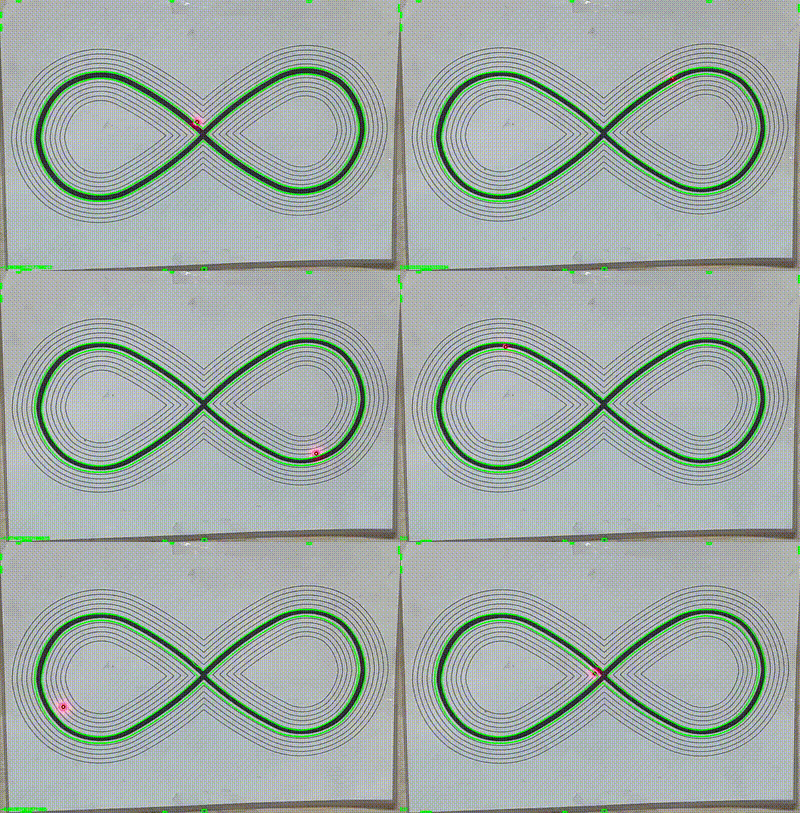
Head Movement tracker In this project I developed a head tracking algorithm that detected and tracked the head movement of autistic patients which was used in a thrapeutic complex to score the patients based on different criteria.
lectures
Introductory course on ML and DL a case study on PINNs.
Lecture on Stereoscopic PIV
a short course on Unsupervised Learning in Mechanical Engineering for the class of AML-2022.
cellular automaton
Abelian Sandpile
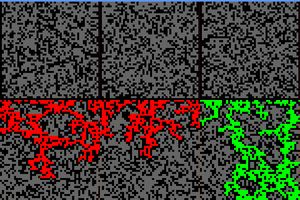
Directed Percolation
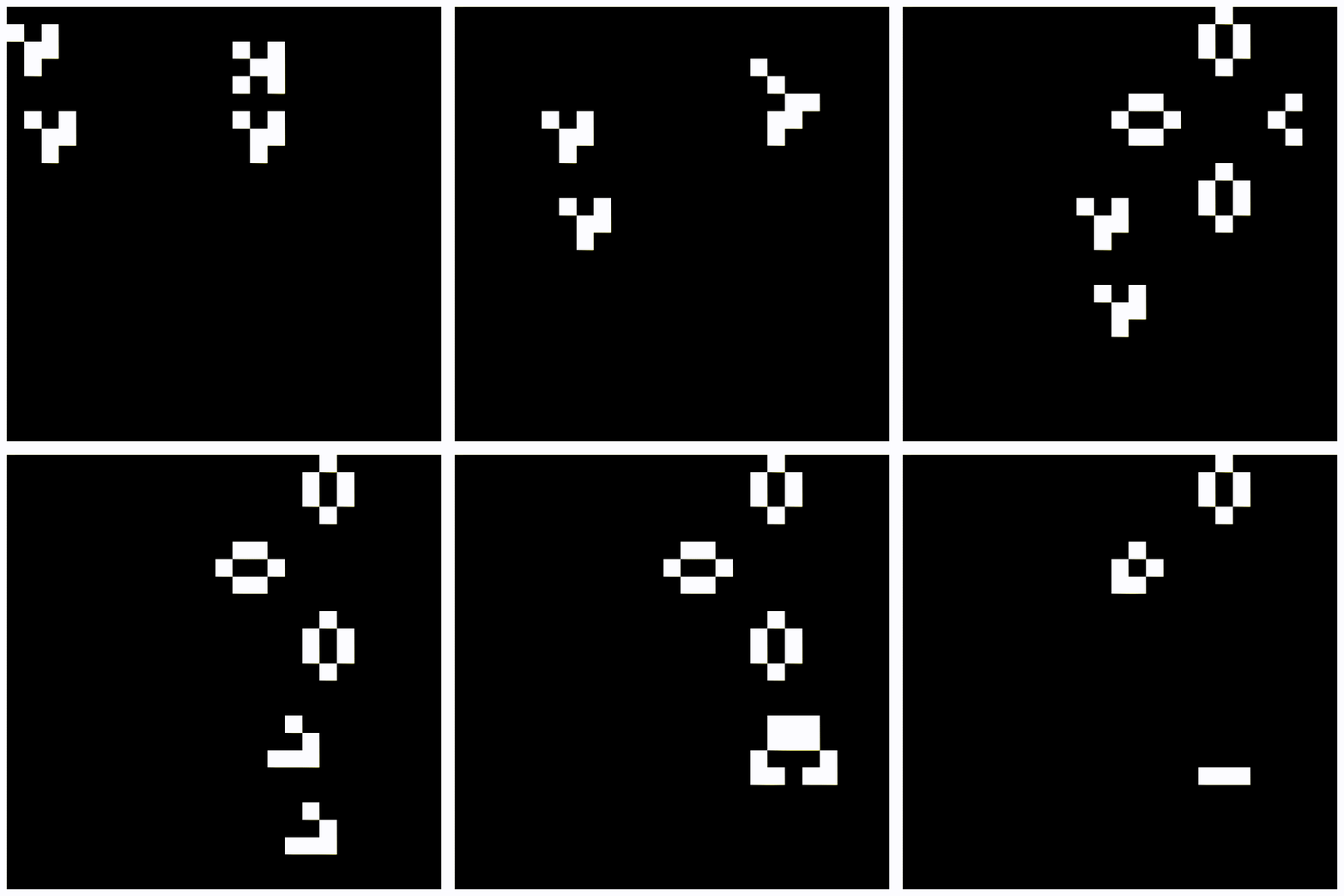
Conway's game of life with gliders and explosions!
hobbies
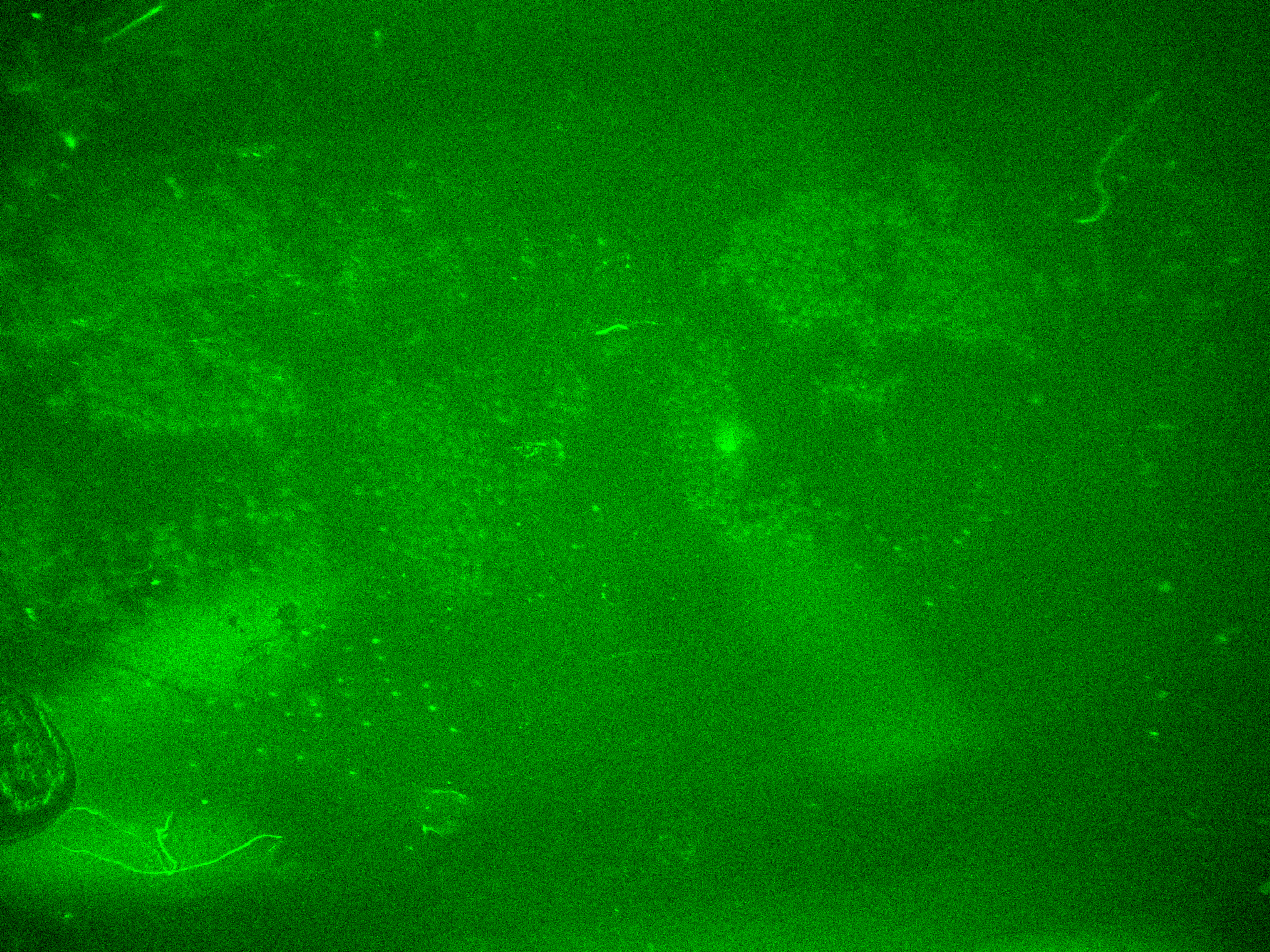
Raspberry Pi HQ camera Microscopy
blog posts